
If you already have a solar panel system, you likely chose to start without a battery and understood the tradeoff; a standard grid-tied system provides power, but it doesn’t provide backup power on its own. Battery backup for solar system owners closes that gap, and for many homeowners, it’s a planned second phase rather than something bundled in on day one.
If you’re at the point of considering that next step, here’s what to know before you decide.
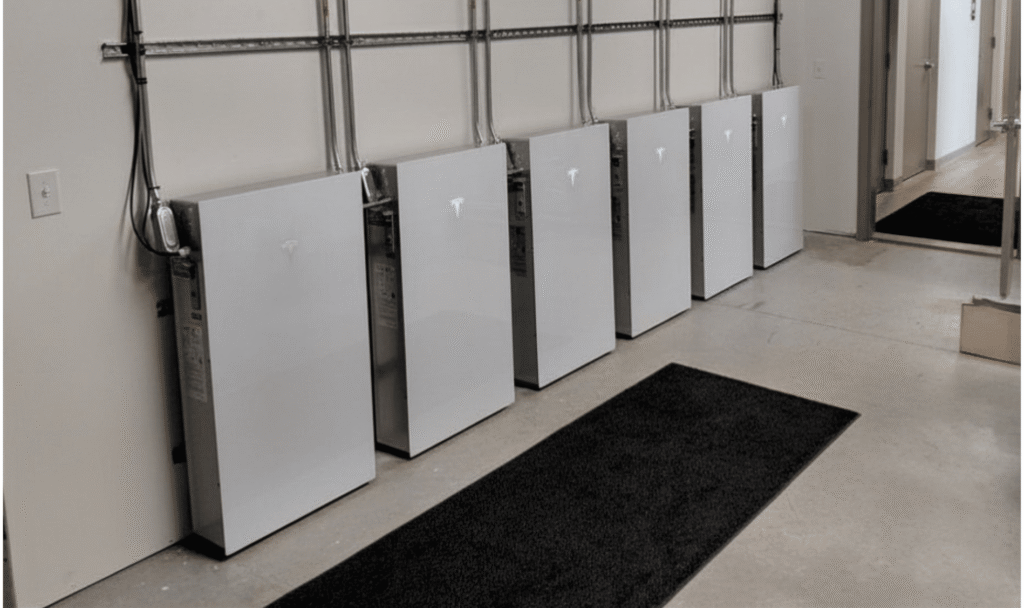
Table of Contents
1. A quick reminder on how grid-tied solar works during an outage
Grid-tied solar systems are required by law to shut off automatically the moment the grid goes down. This safety feature exists to protect utility line workers who may be repairing power lines during an outage.
Without a battery, a solar system stops producing power during an outage, even if the sun is shining, and regardless of how well the system was installed. This surprises many homeowners as they start their solar journey with the assumption that solar panels alone mean the lights stay on. They don’t. The panels need somewhere to send stored energy, and that’s the role a battery plays.
2. How battery backup for solar systems work
A home battery sits between your solar system and your house. When the grid goes down, the battery isolates your home from the grid and keeps running on stored solar energy, while still meeting the same safety requirement that protects utility workers.
Importantly, when a battery is an add-on to the system already on your roof, your existing panels, wiring, and inverter (in most cases) stay in place. The battery integrates into what’s already there, which is part of why it’s such a common second-phase upgrade rather than something homeowners feel they need to bundle in from day one.
3. Choosing a battery: Tesla Powerwall or Franklin aPower S
Solar Energy Solutions installs both, and the right choice depends on how you plan to use the battery.
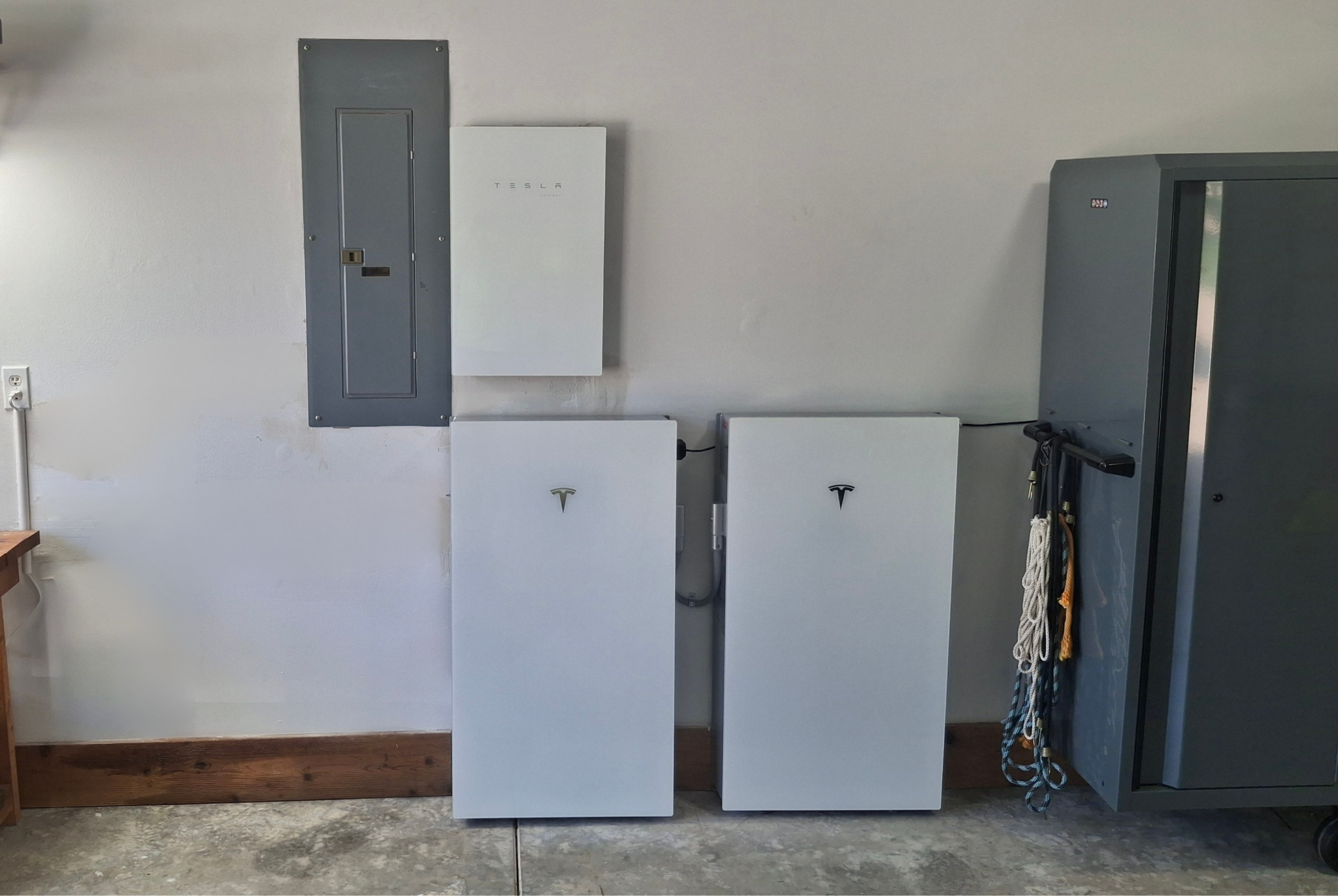
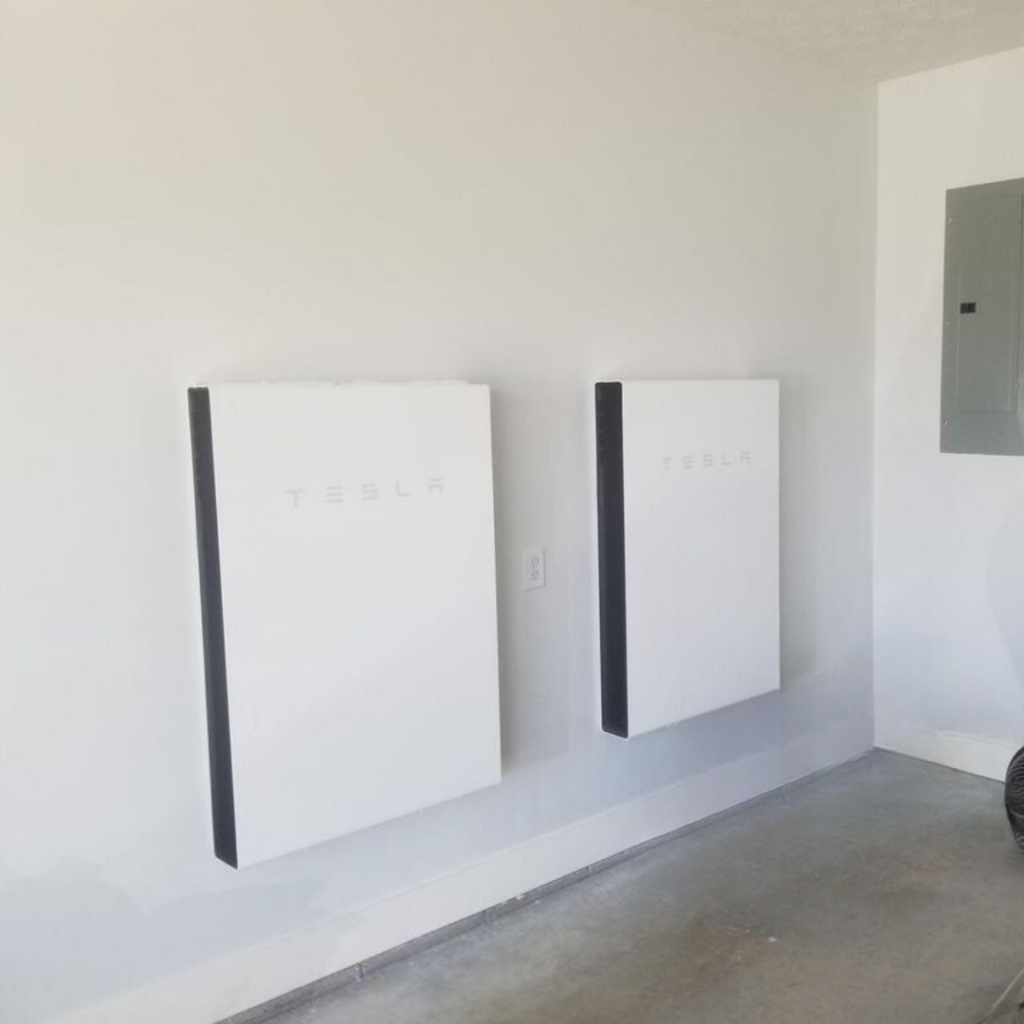
- Tesla Powerwall: Typically, the lower installed cost per kWh, all in with labor and equipment. A strong fit for straightforward backup needs – keeping essential circuits (or the whole home, depending on sizing) running during a typical outage.
- FranklinWH aPower S: Built for homes that want deeper off-grid capability or plan to integrate a generator. A better fit if you’re thinking beyond occasional outages toward more extended energy independence.
Neither option is universally “better”; it depends on how often your area loses power, how long outages typically last, and how much of your home you want to keep running.
4. Financing a battery through Clean Energy Credit Union
Adding battery backup doesn’t have to mean paying out of pocket or restarting the financing process from scratch. SES works with Clean Energy Credit Union (CECU), a lender that specializes in financing for solar and other clean energy home upgrades.
CECU offers a couple of ways to finance a battery, depending on your situation:
- Standard loan terms: Loan terms ranging from 12 to 20 years, giving you flexibility in how you structure monthly payments against your energy savings.
- Renewable refinancing loans: If you already have an existing solar loan, CECU can roll the cost of a new battery into a single refinanced loan — combining your current solar balance and the new battery into one payment, rather than juggling two separate loans.
That refinancing option tends to be a good fit for homeowners who financed their original solar installation and are now ready to add backup power — it simplifies the math and often means one predictable monthly payment instead of two.
Ask your SES representative to walk through both options and help you figure out which structure makes the most sense for your existing loan , if you have one.
5. How much battery backup does your house need?
Sizing a battery isn’t just about picking the biggest option available; it’s about matching the battery to three things: how long you want backup power to run, how much electricity your home actually uses, and how much solar you already have installed.
Some homeowners want just enough battery storage to cover a typical multi-hour outage, while others want coverage for extended periods. Your goals set the target for what the system needs to do.
From there, SES looks at your home’s actual energy usage, so the battery is sized for your home’s unique needs
Your existing solar array also affects how much storage you can add. Our experts will review these factors and recommend options that meet your needs.
Battery backup isn’t just for outages.
Battery backup for solar also lets homeowners use more of their own clean energy instead of sending it back to the grid for credit when the solar system overproduces. This is especially helpful for solar owners with utility companies that don’t pay full value for energy sent back to the grid.
Additionally, a battery is great for homeowners who have electricity rates that charge differently for peak and off-peak times of day. The battery discharges during higher-cost times of day when household demand exceeds the energy the solar system produces, rather than pulling that needed energy from the grid.
Why homeowners work with SES
Solar Energy Solutions has installed and serviced solar & battery systems across the Midwest, Southeast, and Mid-Atlantic for over two decades. SES is a Tesla Powerwall Premier Installer with NABCEP-certified installers on staff, and we don’t use door-to-door sales tactics. Every quote starts with a conversation, not high-pressure tactics
Frequently Asked Questions
Does adding a battery require new solar panels?
No. In most cases, a battery integrates with your existing panels, wiring, and inverter. It’s an addition, not a replacement.
How long does a home battery last during an outage?
It depends on battery capacity and your home’s energy use during the outage. Since SES installs full-panel backup, you can extend that runtime by turning off unnecessary electric loads during an outage.
I already have a solar loan — can I still finance a battery?
Yes. Clean Energy Credit Union’s renewable refinancing loan is built for exactly this; it combines your existing solar loan balance and the new battery cost into a single refinanced loan.
Can I add a generator later instead of a battery?
Some homeowners do integrate both. FranklinWH’s aPower S is built with generator integration in mind if you have a generator now or plan to add one later.
What if my home has more than one electrical panel?
SES can relocate breakers during installation to consolidate your home onto a single panel for backup, so you still get full-home coverage from one battery and SPAN system rather than needing to back up each panel separately.
Ready to find out about adding backup?
Click below to request a free, no-obligation quote.