
Years of Experience
Solar Installations
Fully In-House Team

NABCEP Certified
Why storage, why now
Storage Is Now the Strongest Incentive Play in Commercial Energy
For a business with high demand charges or no tolerance for downtime, a battery is no longer an add-on. It’s an investment that can stand on its own.
What a commercial battery does
Three ways a battery pays for itself
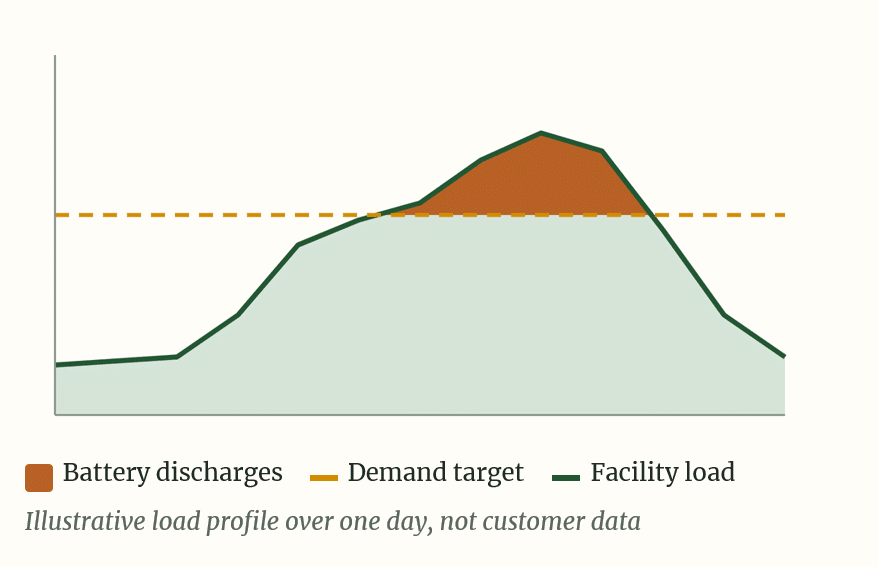
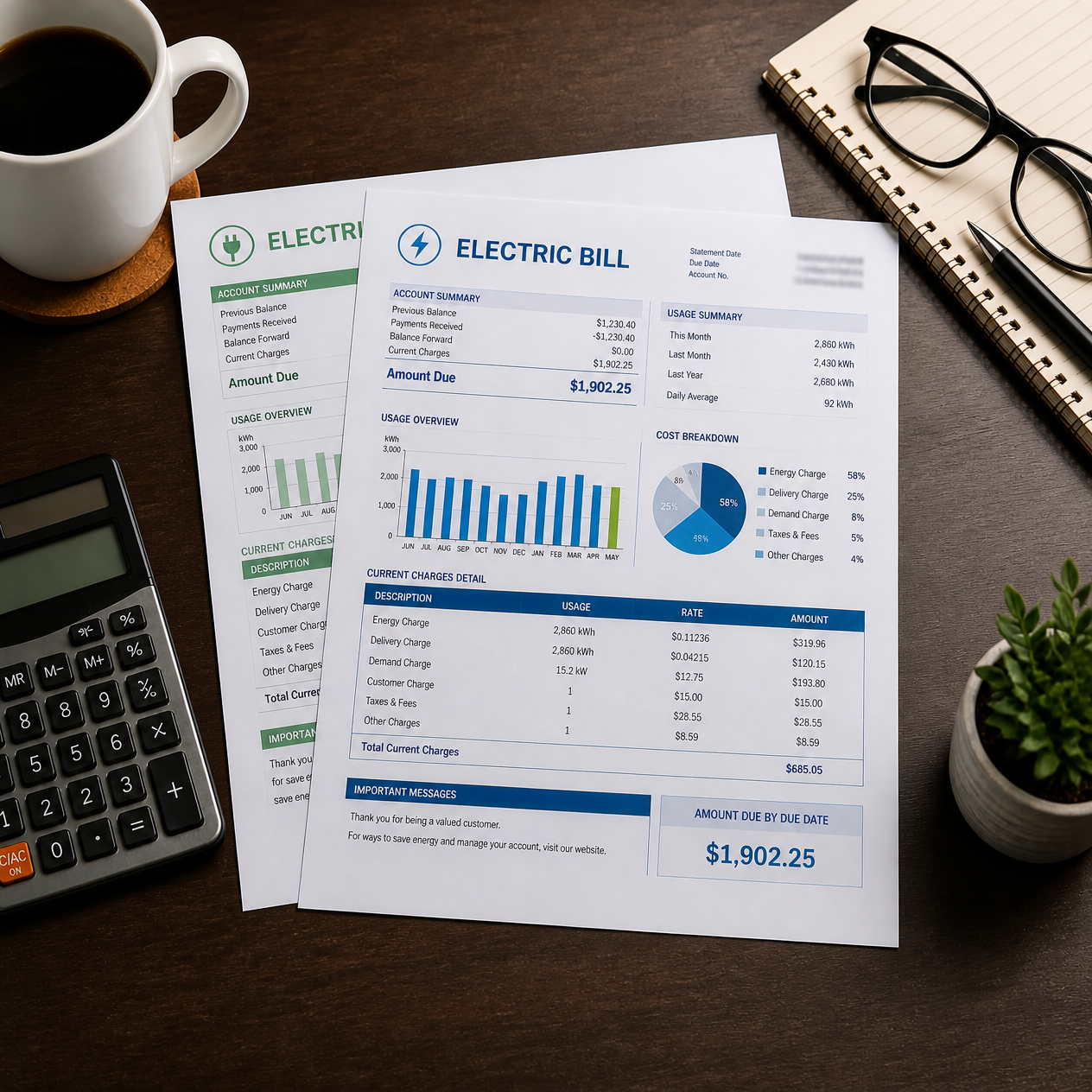
1. Reduce demand charges (peak Shaving)
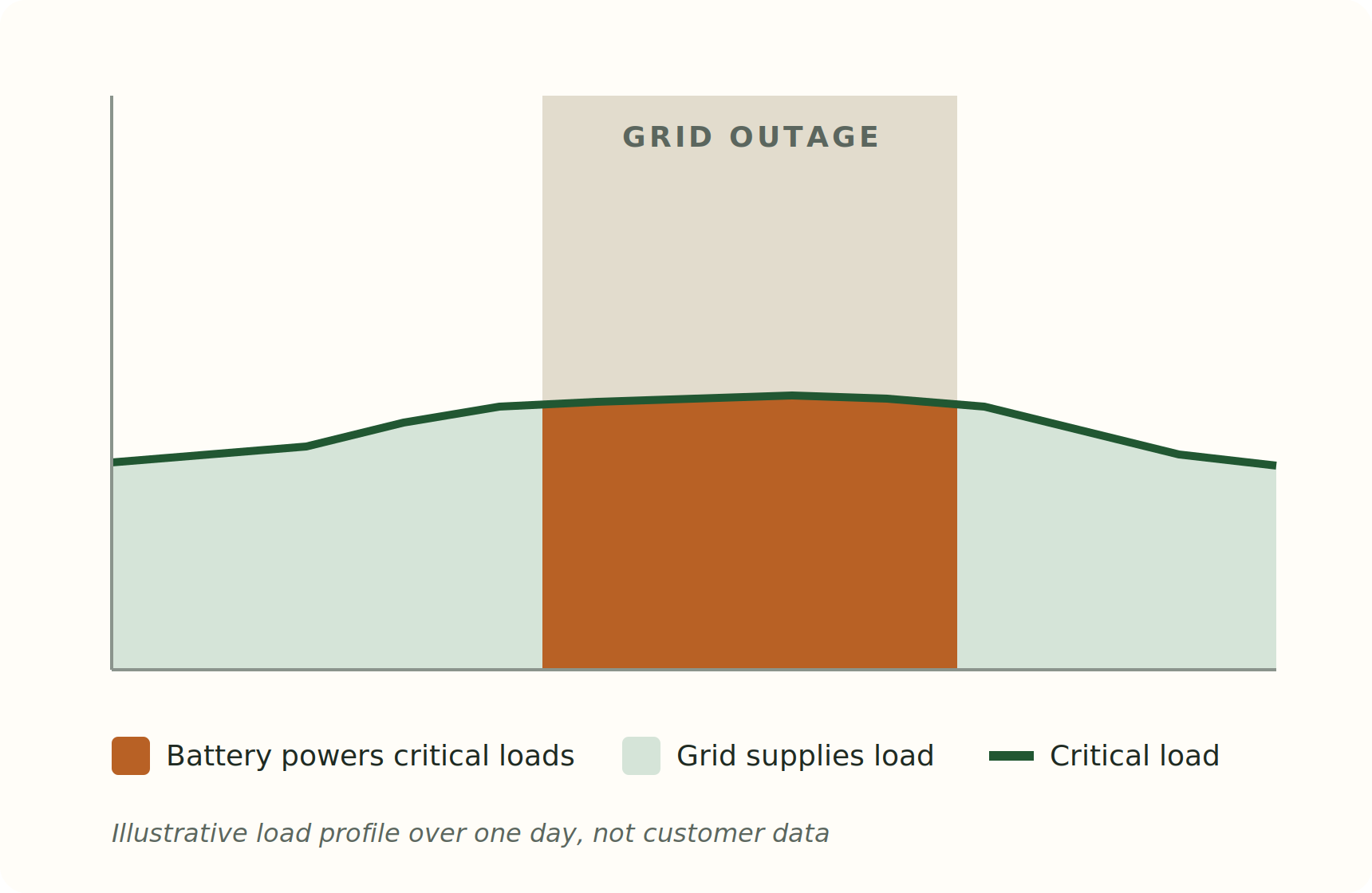
1. keep critical operations running
Your content goes here. Edit or remove this text inline or in the module Content settings. You can also style every aspect of this content in the module Design settings and even apply custom CSS to this text in the module Advanced settings.
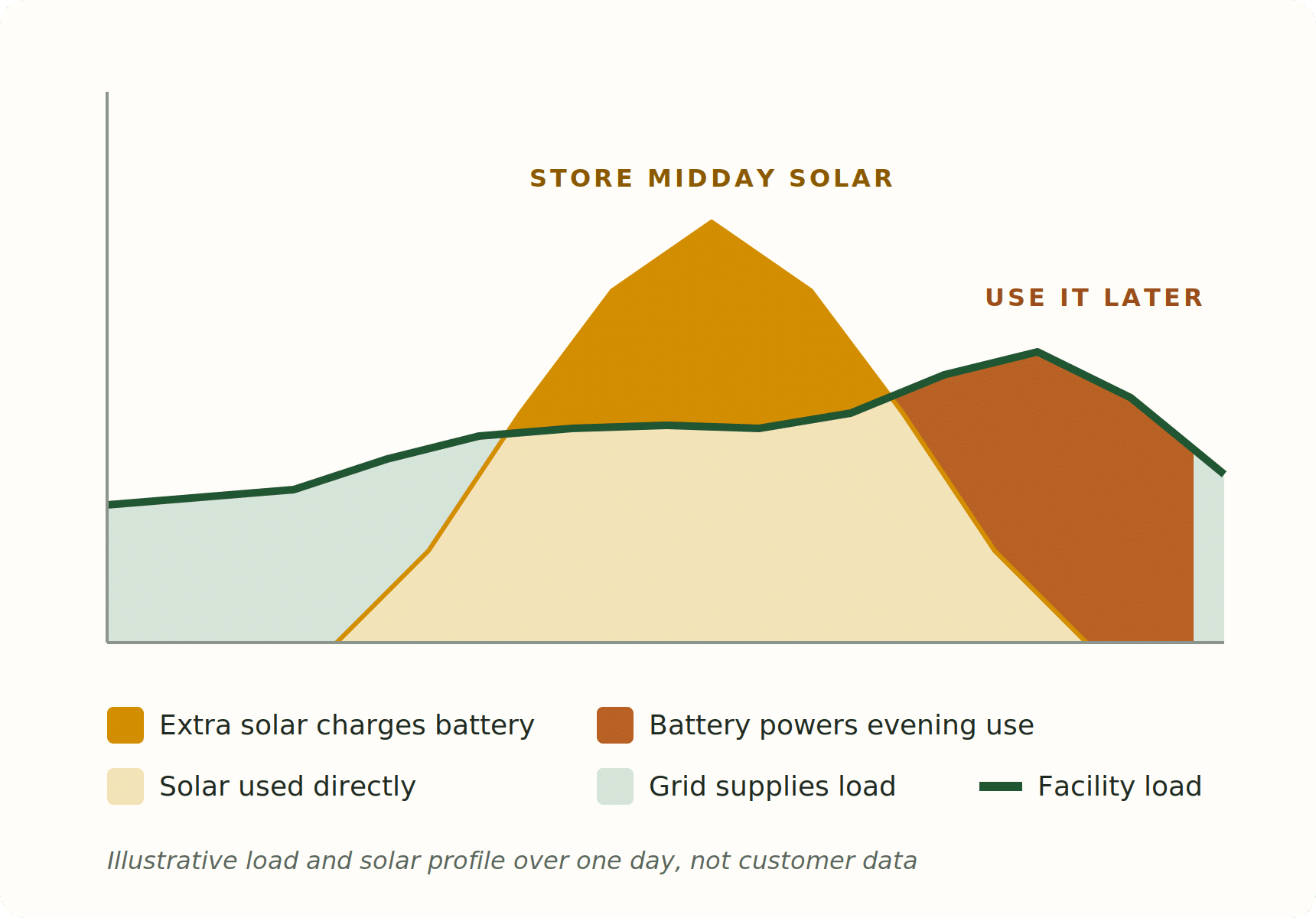
3. Get more value from your solar
Does Storage make sense for my facility
Is Commercial storage right for your business
Storage usually pays off fastest for facilities with:
- High demand charges compared to total energy use.
- Short, sharp load spikes from compressors, chillers, kilns, pumps, EV chargers, or motor start-ups.
- Critical loads that can’t go down, such as cold storage, healthcare, data, water and wastewater, or emergency services.
- Existing or planned solar that exports a large share of its production.
- Rural or end-of-line service with frequent outages.
- A goal to reduce or replace diesel backup generators.
Equipment
Commercial battery systems we install
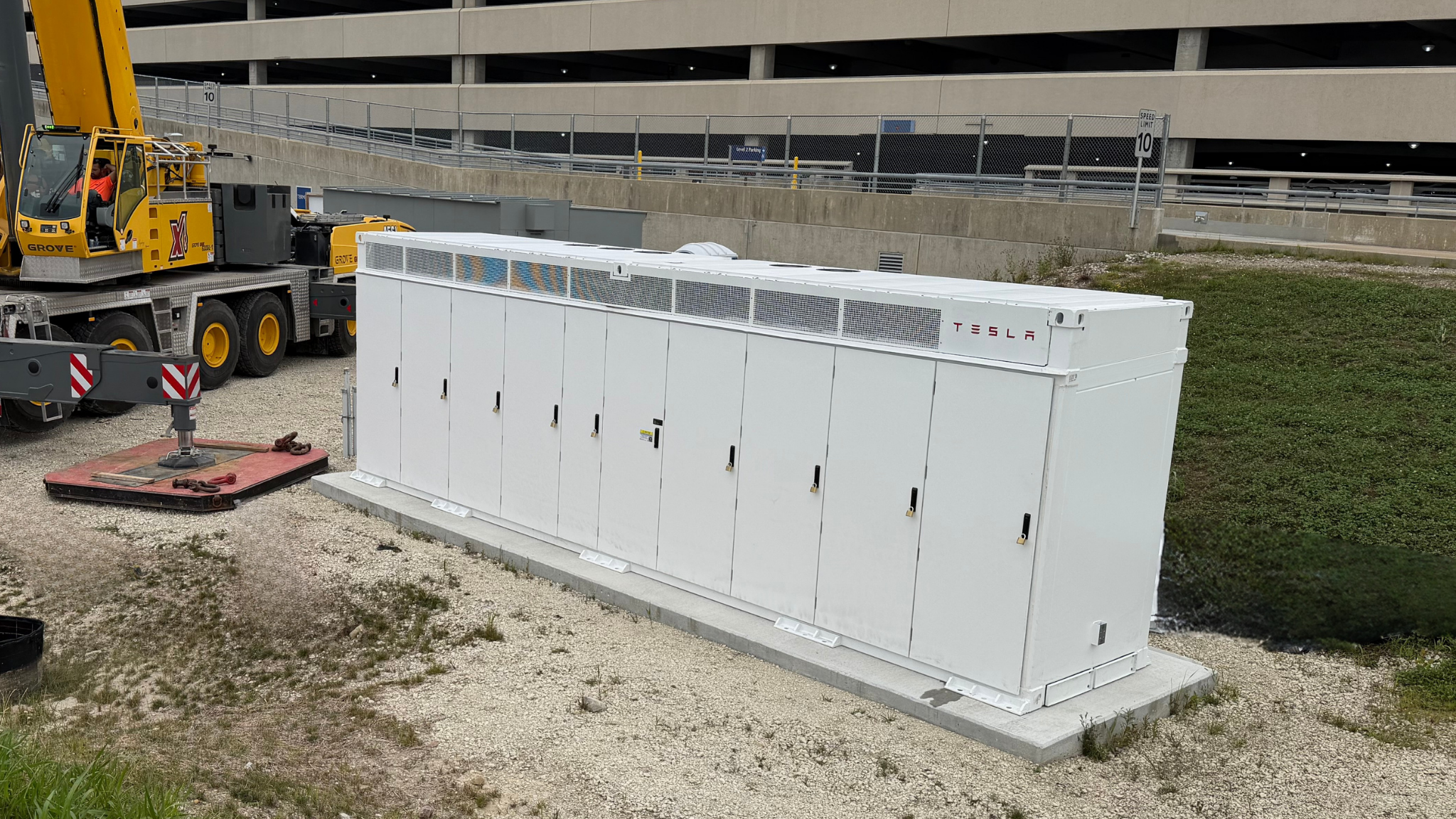
- Tesla Megapack: utility-scale storage for large campuses, airports, industrial sites, and grid-support projects
- Fortress Power: scalable lithium iron phosphate storage for commercial and industrial facilities
- Sol-Ark: commercial hybrid inverter and battery systems for small and mid-size businesses that need backup and solar integration
- ELM Microgrid: US-built mid- and large-scale storage, often with built-in inverters and Microgrid capability
Proof
Storage projects built by SES
Indianapolis International Airport - Tesla Megapack
Battery storage that supports resilience at one of the Midwest’s busiest airports.
Martin County Health Department, Inez, KY
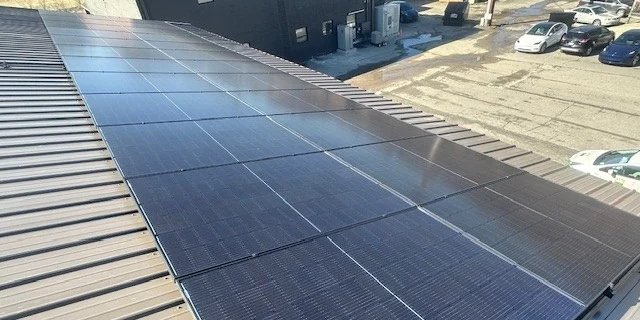
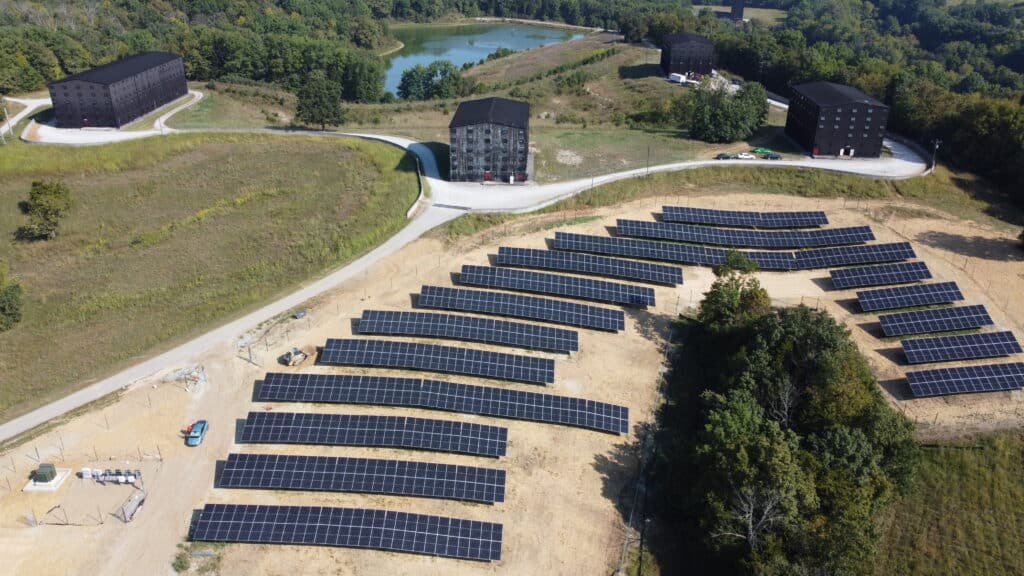
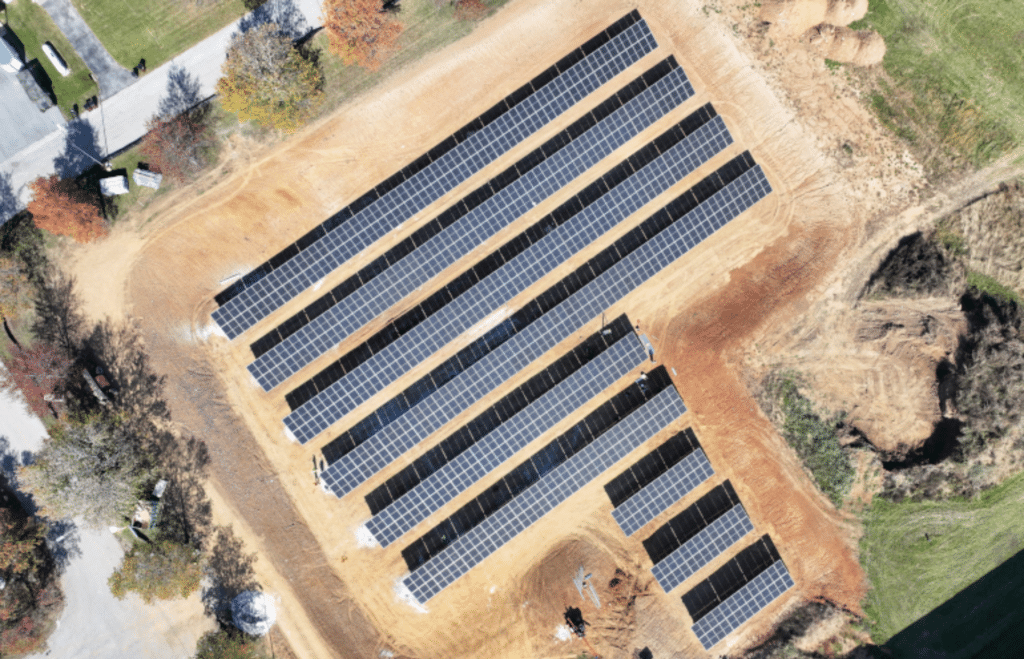
A 91 kW solar array paired with 197.5 kWh of battery storage gives this public health department layered backup power, so it stays operational when its community needs it most.
Commercial Solar Battery Storage Incentives
Explore your financing options for your next commercial/solar project.

Federal Investment Tax Credit (ITC)

Accelerated Depreciation
Commercial batteries placed in service after January 19, 2025 qualify for 100% first-year bonus depreciation under MACRS. Paired with the federal ITC, a business can recover most of the battery’s cost in the first year.

USDA REAP Grants
Agricultural producers and rural small businesses may qualify for USDA Rural Energy for America Program grants covering part of eligible project costs
Financing

Expert Analysis
Every SES proposal models your storage system’s full financial picture — demand charge savings, backup power value, incentive amounts, and long-term ROI.
*SES works alongside your tax advisor and CPA. Incentive eligibility depends on project specifics and your tax position.
Process
How a commercial storage project works


Engineering and sizing: our in-house engineers size power (kW) and capacity (kWh) to your savings and backup goals.

Financial model: demand savings, backup value, incentives and simple payback, in one proposal.

Permitting and interconnection: we handle the utility and the local permitting office (AHJ).

Installation and commissioning: licensed SES electricians, with no subcontractor handoffs.

Monitoring and O&M: ongoing performance monitoring and service from our O&M team.
FAQs
How much does commercial battery storage cost?
Can I add a battery to my existing solar system?
Does storage qualify for the tax credit without solar?
How long will the battery back up my building?
Why a battery versus a generator?
What size battery do I need?
What is a microgrid?
What does “islanding” mean?
Why doesn’t my existing solar system work during an outage?
Why a battery versus a generator?
A battery switches over without interruption, needs no fuel, runs virtually silent, and earns money every day through demand savings. Generators also often require a much more robust maintenance program throughout their lifecycle, including fuel and fluid changes, battery charging, etc.