
Years of Experience
Solar Installations
Fully In-House Team

NABCEP Certified
Why storage, why now
Storage Kept Its Federal Credit. Peak Costs Keep Climbing.
Load growth from data centers, manufacturing, and electrification is pushing up capacity and transmission costs across the region. Battery storage is one of the fastest ways to add peak capacity, and it kept its full federal tax credit timeline, while solar’s timeline was shortened. Municipal utilities and electric cooperatives can receive the credit as a direct payment.
What a utility battery does
Four ways storage pays for your utility
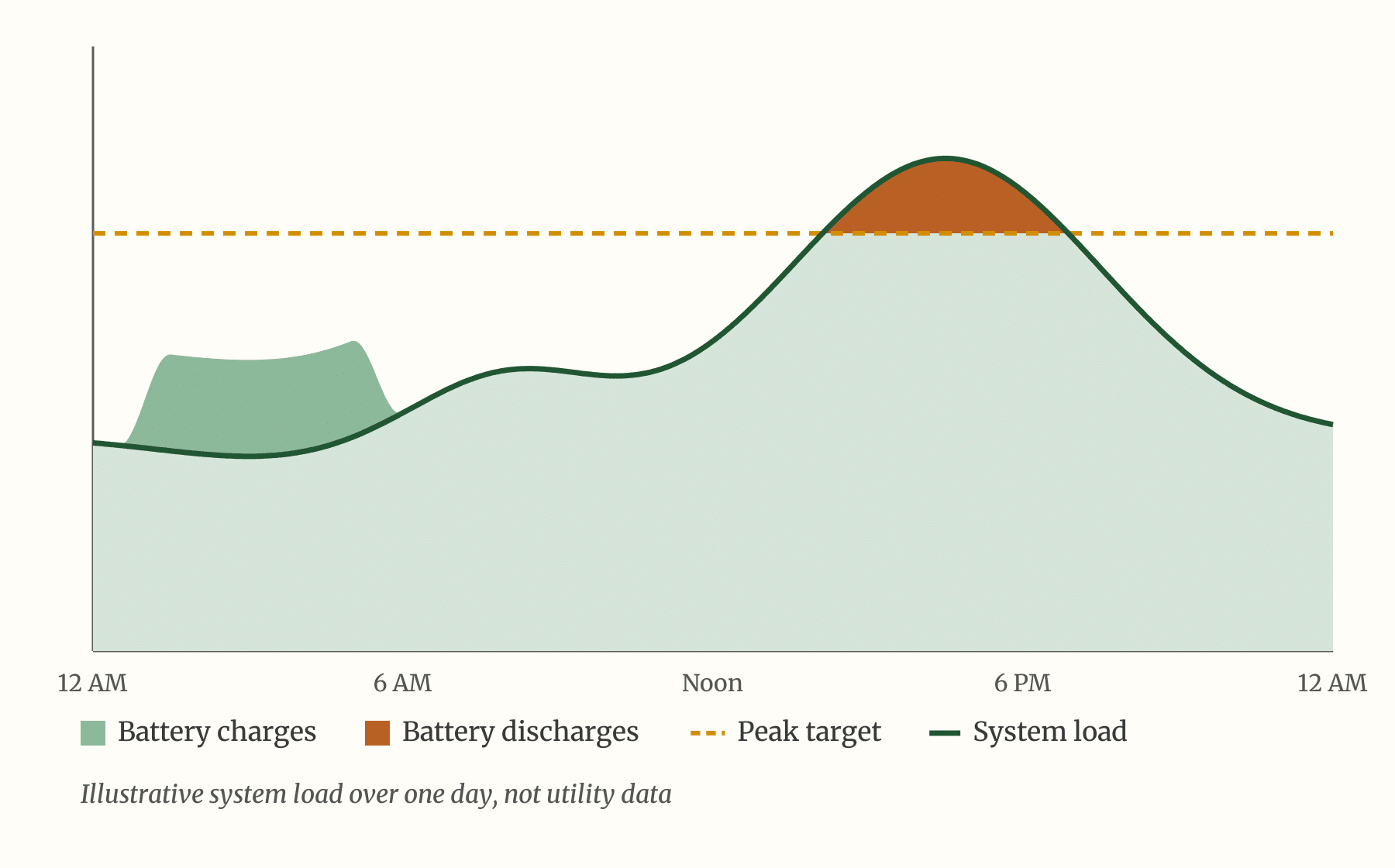
1. Charge off-peak, discharge on-peak
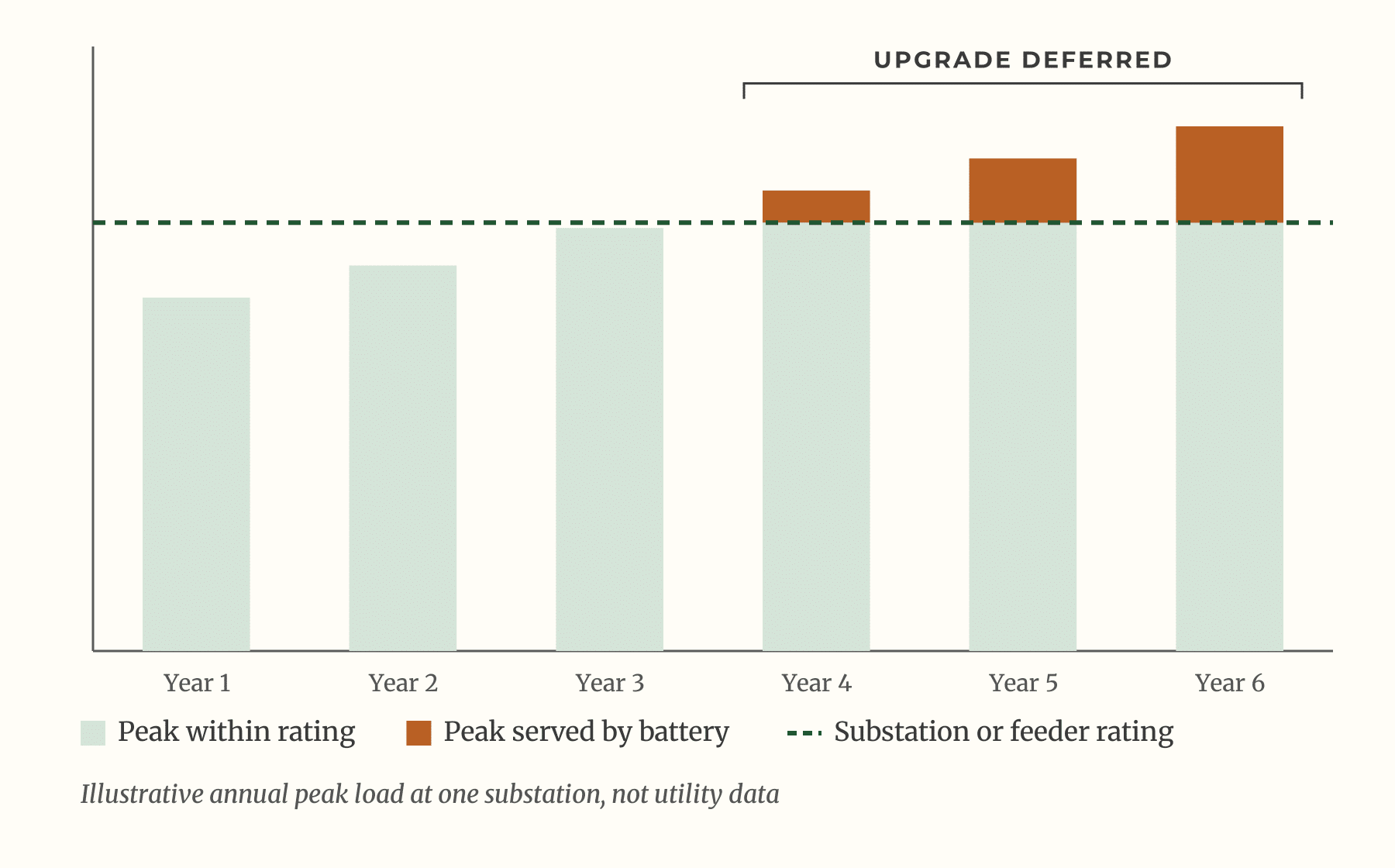
2. Defer substation and feeder upgrades
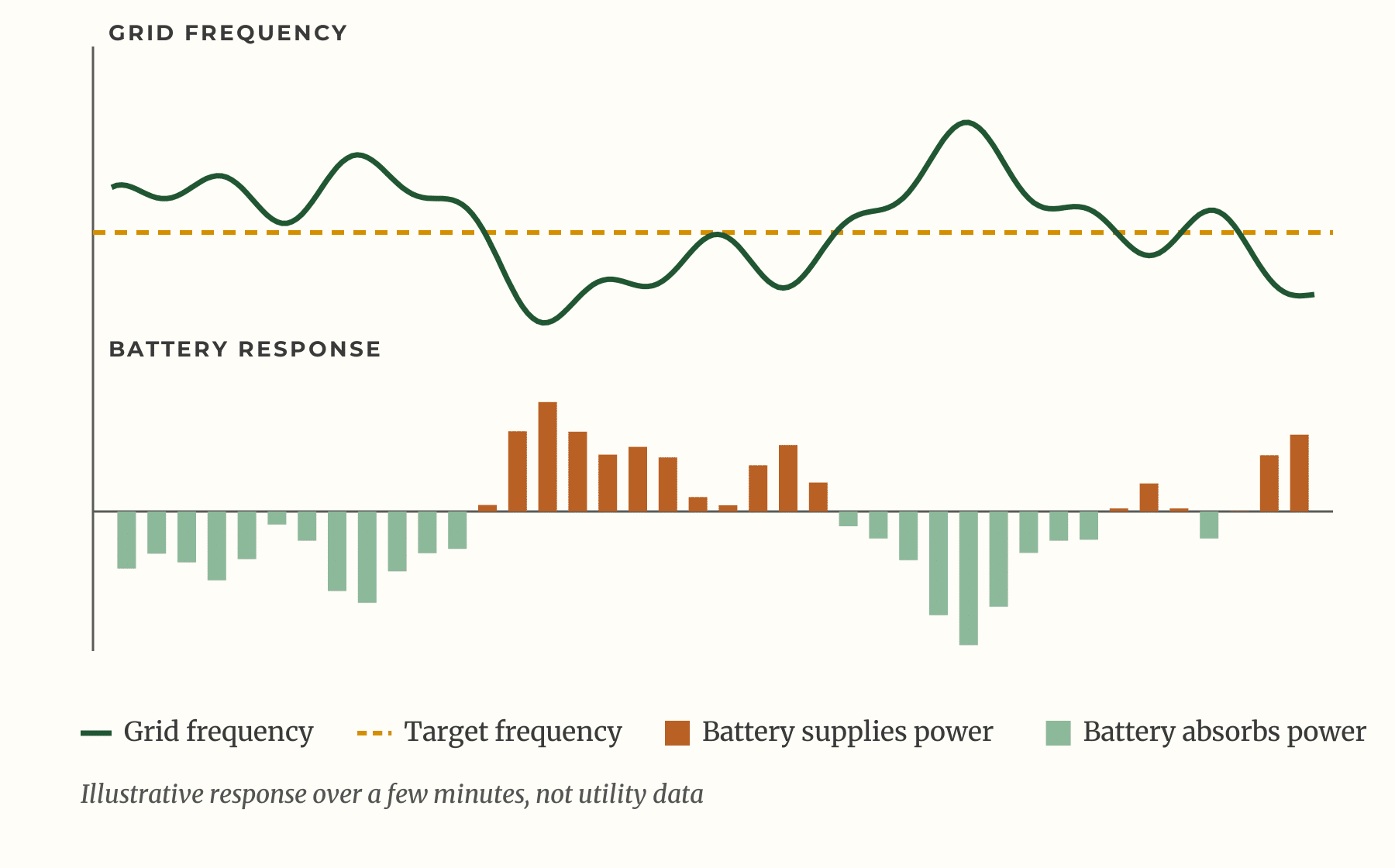
3. Support the grid and earn added value
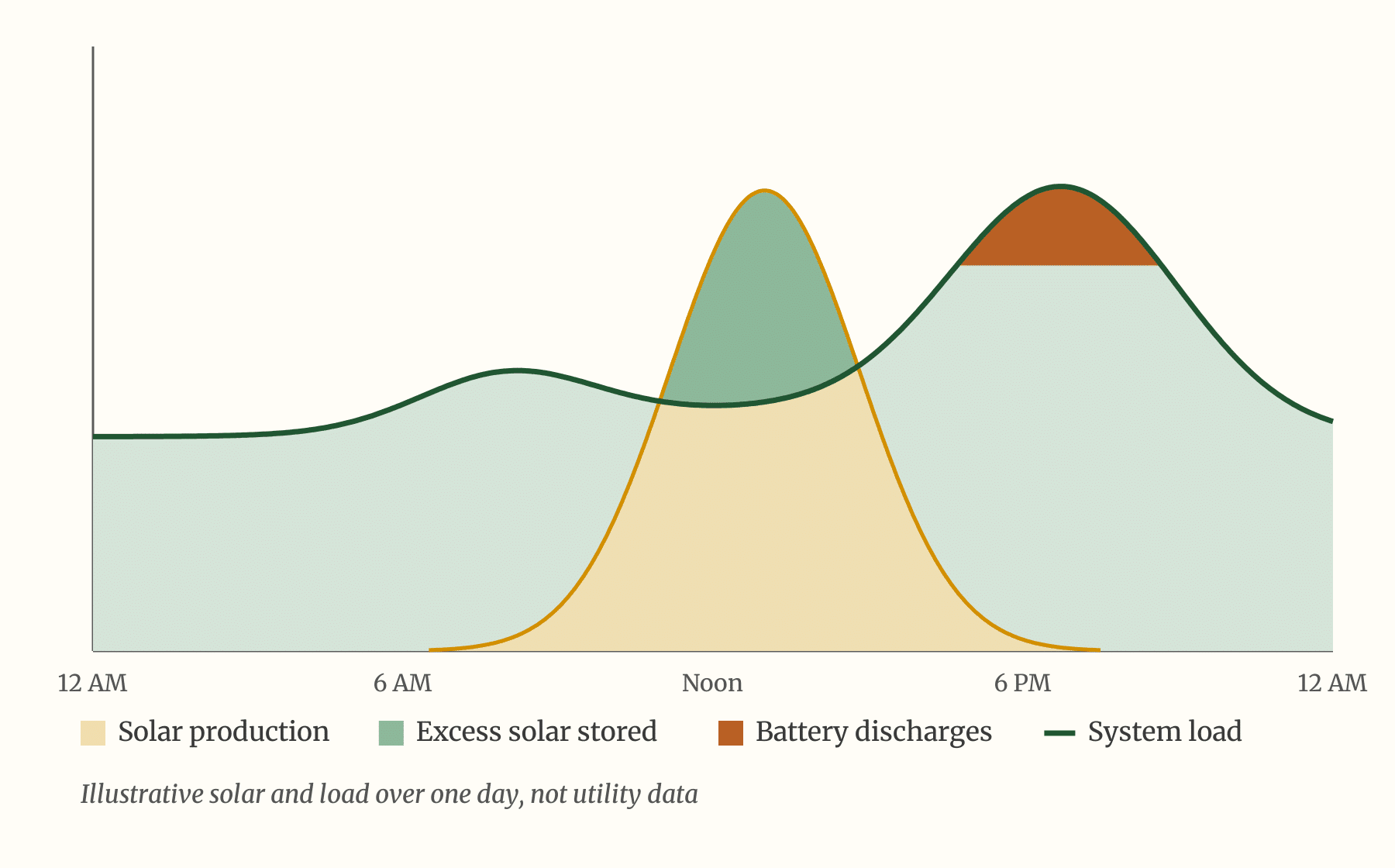
4. Get more from solar
Pairing storage with solar shifts midday production into evening peaks and gives your members or customers visible proof of your commitment to clean, local energy.
Does Storage make sense for my utility, muni, or coop
Is utility storage right for you
Storage usually pays off fastest for utilities with:
- Wholesale bills with large coincident peak, capacity, or transmission charges
- Peaker plants that run a limited number of hours each year
- Substations or feeders nearing capacity from new load
- Existing or planned solar
- Critical facilities, such as water, wastewater, and emergency services, that need resilient power
Equipment
Utility battery systems we install
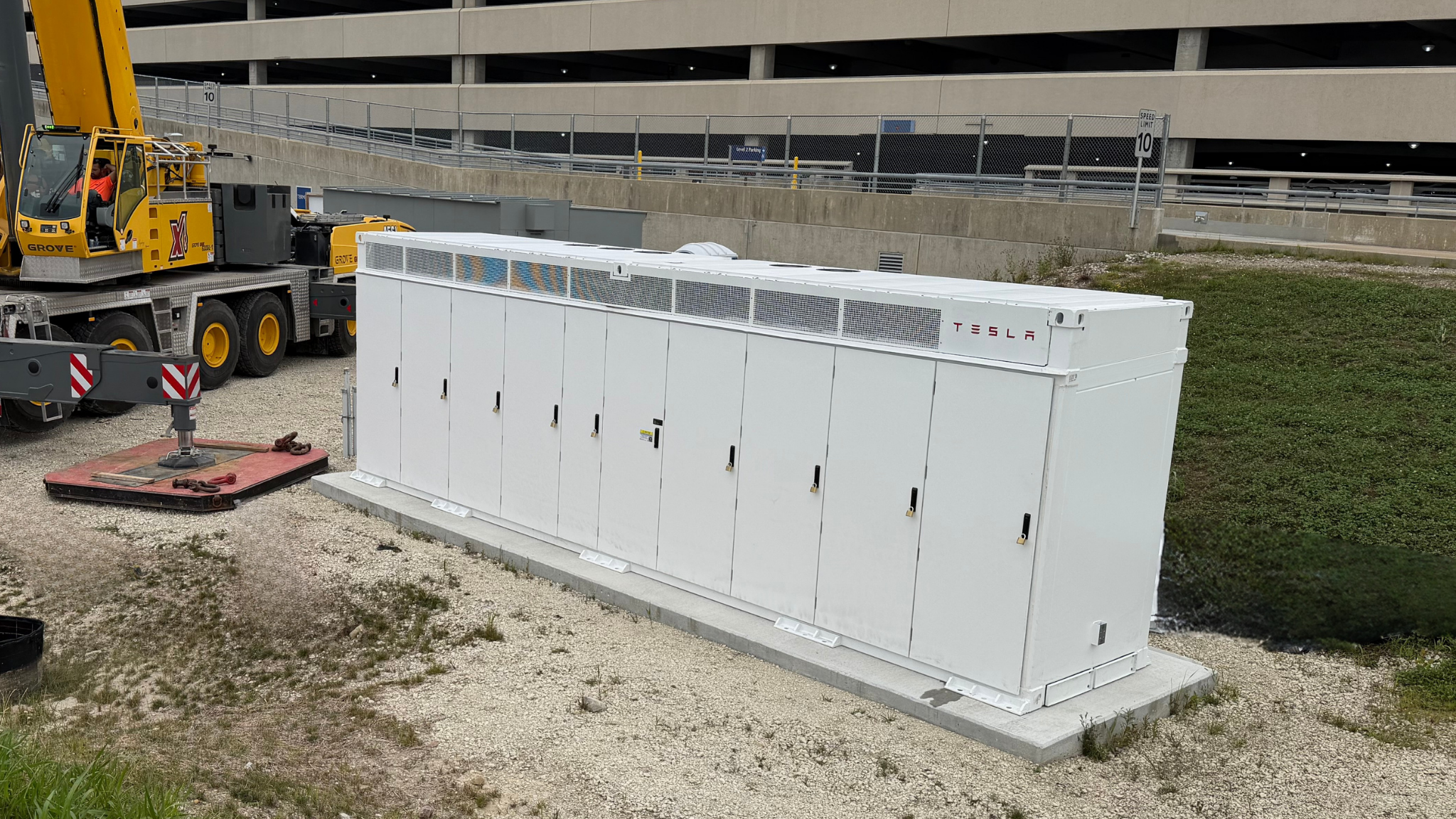
- Tesla Megapack: utility-scale storage for large campuses, airports, industrial sites, and grid-support projects
- ELM Microgrid: US-built mid- and large-scale storage, often with built-in inverters and Microgrid capability
Proof
Storage & Utility projects built by SES
Indianapolis International Airport - Tesla Megapack
Indianapolis International Airport added more than 2,700 solar modules to the roof of its new parking garage, creating a 1.48 MW system. Paired with a Tesla Megapack, the system keeps critical operations powered even during a grid outage.
Frankfort Plant Board, Municipal Solar
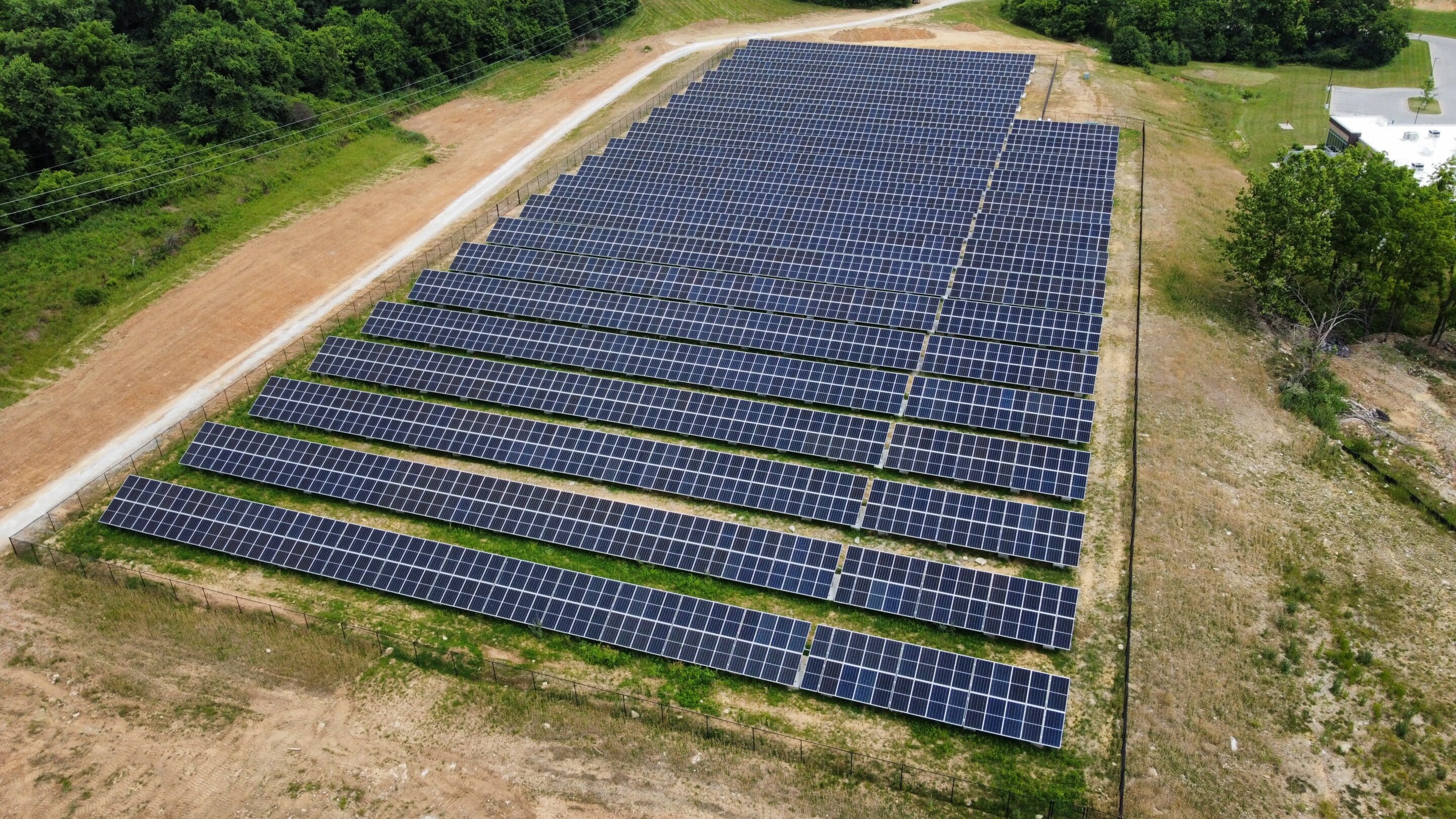
Frankfort Plant Board turned a former construction-debris landfill into a 1.53 MW community solar asset, built in two phases. The project is projected to offset nearly 87.5 million pounds of CO2 over 30 years.
Utility Solar Battery Storage Incentives

Federal Investment Tax Credit (ITC)
Standalone storage and storage paired with solar both qualify. Bonus credits may be available for domestic content and energy communities.

Elective Pay
Municipal utilities and rural electric cooperatives can receive the credit as a cash payment from the IRS rather than as a tax credit.

Accelerated Depreciation
Investor-owned utilities can claim the federal credit against their tax liability and recover the system’s cost faster through accelerated MACRS depreciation.*
Expert Analysis
* Depreciation treatment for regulated utility property differs from other commercial projects, so consult your tax advisor to confirm what applies to your utility
Process
How a commercial storage project works

Load and wholesale bill review: hourly load data, coincident peak history, and wholesale contract terms.

Siting and sizing: power (MW) and duration (MWh) matched to your peak profile.

Financial model: peak savings, deferral value, incentives, and payback.

Permitting and interconnection: we coordinate with your transmission provider and the local permitting office.

Installation and commissioning: licensed SES electricians, with no subcontractor handoffs.

Monitoring and O&M: ongoing performance monitoring and service from our O&M team.
FAQs
Can a municipal utility or co-op get the federal tax credit?
Yes, through elective pay, which provides a direct cash payment. Confirm details with your tax advisor.
Does solar need to be paired with solar?
Does storage qualify for the tax credit without solar?
How long can a battery discharge?
Most utility systems are designed for 2 to 4 hours, sized to your peak window.