Governmental solar
Up to 50% in incentives remain—but with deadlines tightening after July 4, 2026, planning now is essential.
Commercial solar incentives for non-profit entities, worth up to 50% of project costs, are still available through direct pay—but with project completion deadlines tightening after July 4, 2026, organizations need to start planning now to avoid risk and protect eligibility. While federal incentives, bonus credits, and direct pay options remain strong, new FEOC compliance requirements are adding complexity to sourcing, documentation, and timelines. The most successful projects in 2026 will begin with disciplined planning—combining engineering-grade analysis, realistic financial modeling, and compliance-aware decisions early in the process. If you’re considering solar, now is the time to evaluate your options and move forward with confidence.
Schedule your free solar assessment today. Call 877-312-7456 or contact us below to get started.
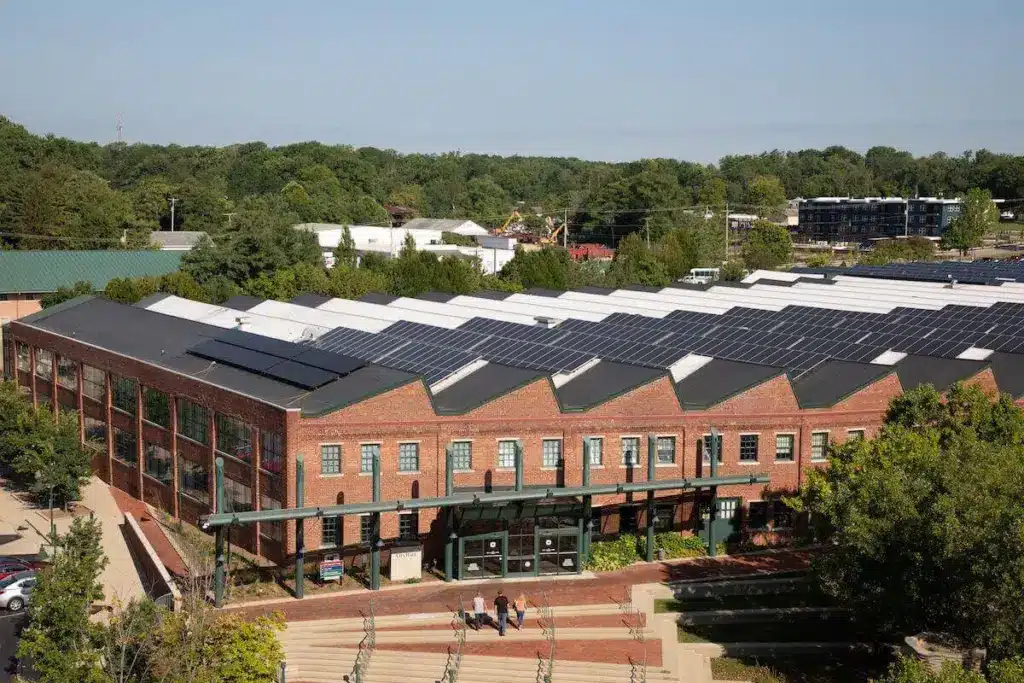
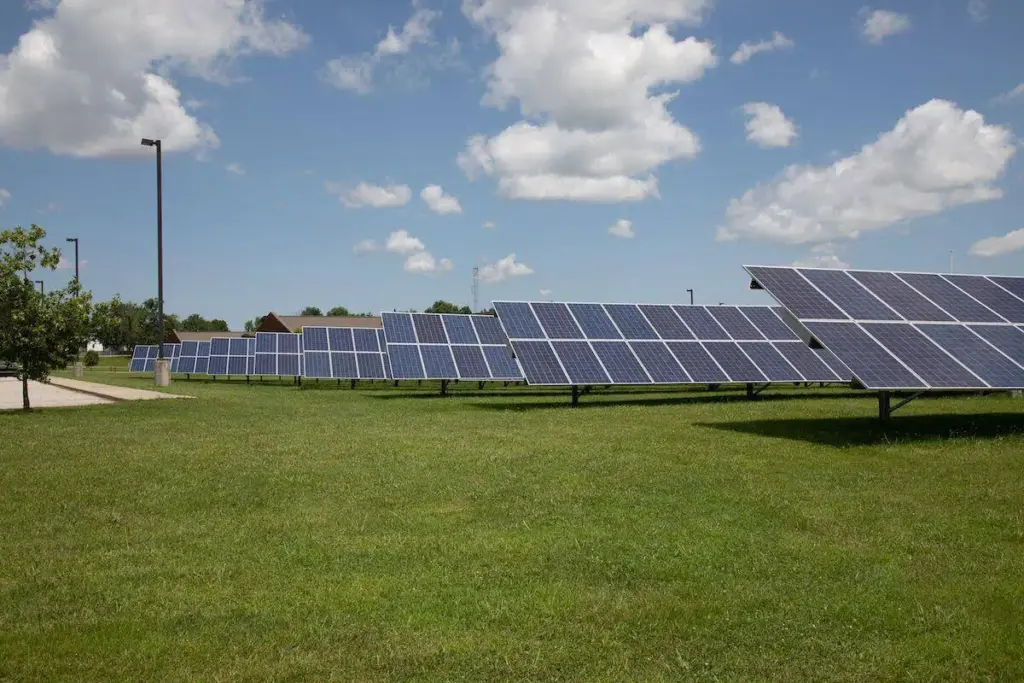
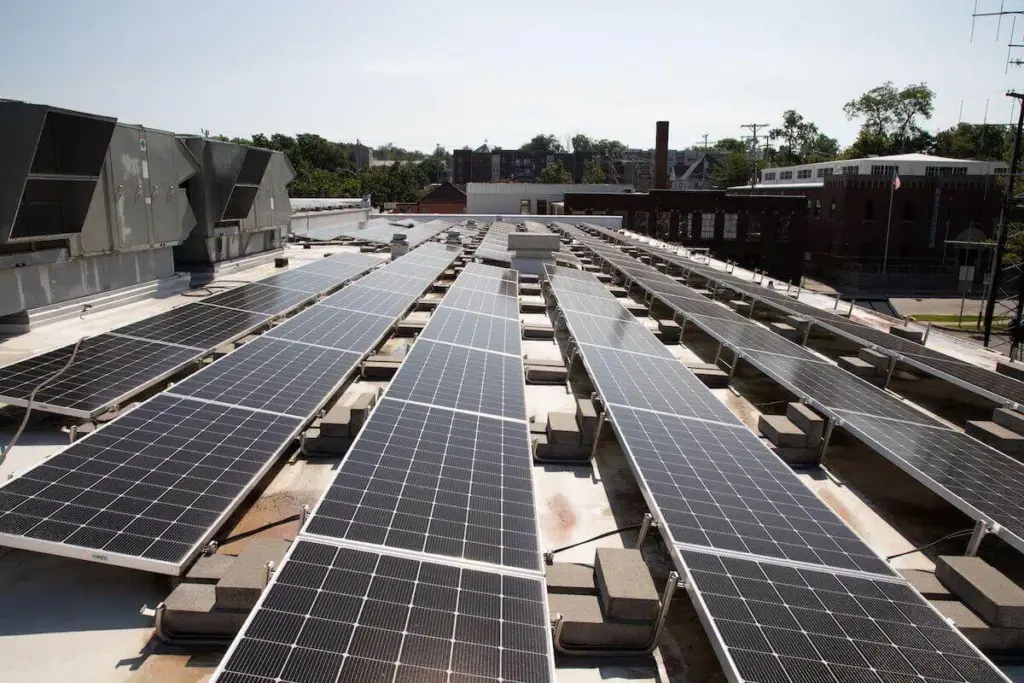
When government agencies and municipalities use solar power to meet their electricity needs, they insulate their organizations from steeply rising utility prices and build a more robust, controllable energy supply system. That means any money not spent on facilities can go directly to support the communities they serve, and that’s good for everyone. Local or state agencies that have more control over their power can worry less about costs, security, and resiliency and more about their residents.
Increasingly cities, mayors, or even state organizations in the US are shouldering the burden of combating climate change. Many have committed to transitioning their metro areas or operations to 100% renewable energy and have joined the Compact of Mayors to take climate action at a local level. Solar Energy Solutions has particular expertise in working with cities and their municipal building in Illinois, Indiana, Kentucky, Ohio, and Virginia to install solar systems, and even couple it with Solarize campaigns offering discount bulk-buy PV pricing for residents.
SOLAR ENERGY FOR YOUR GOVERNMENT ENTITY CAN:
- Build a more resilient and energy secure electrical supply system
- Reduce building operating costs and lock in energy budgets for the next 40 years
- Act as a catalyst for wide-scale resident adoption of solar
- Build property values and the tax base
- Act as a marketing tool to attract top talent, innovative industries and population growth
- Encourage low income housing and non-profit adoption of solar
- Grow job numbers in the skilled, stable and well paid solar trades area. The #1 job growth category in the US currently
Government case studies
Check out these shining examples of our solar expertise at work.